A New Way to Follow / A Hunger for Justice
January 25, 2026
Nations wage war, gangs battle each other, families quarrel, communities of faith divide. We hear others say and even hear ourselves saying, “There is no other way.”
In Jesus, the light of Gods kingdom draws near and a new way shines for us to follow.
In the gospel for January 25, Jesus first withdraws (Matt. 4:12). The word anachoreo (to withdraw) is used ten times in Matthew’s gospel—each time as Jesus’ response to violence or conflict. John the Baptist has been arrested, and tension is beginning to build. The way of God and the way of the world’s rulers are beginning to collide.
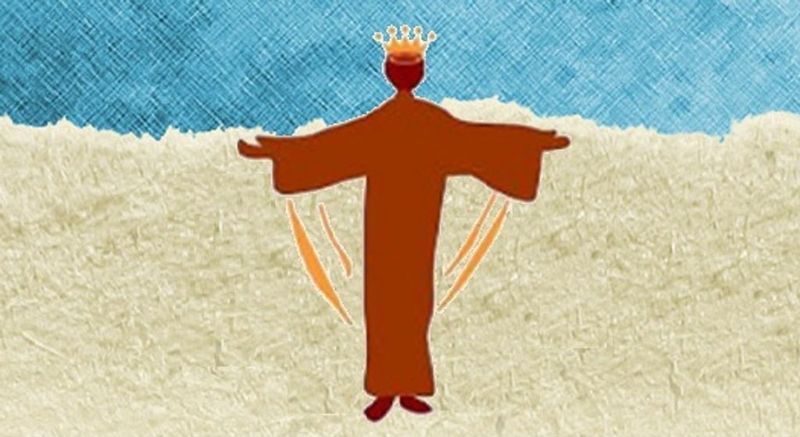
In Jesus, a new kingdom has drawn near, a kingdom of nonviolence and non-retaliation. Jesus’ withdrawal is not simply passivity but points to a vision of an alternate way of reigning as king. Jesus rules not with violence, abusive power, or through division but through voluntarily emptying himself of power, identifying with the oppressed and burdened, and healing that which is broken. Into this new reign, Jesus calls the disciples to follow him, a way that appears foolish and weak to those who cannot discern it. To those God calls, it is the wisdom and strength, the light and power of God.
To follow in the way of Jesus places one’s life at risk, for it eventually leads to the cross. To follow, though, implies someone is leading. The way God calls us to follow has already been filled with the loving kindness and mercy of Jesus who has gone before us and who leads us to the foot of the cross. There, in the shadow of the cross, God makes a way for unity in the midst of division, for healing in the midst of brokenness, for peace in the midst of violence, for forgiveness in the midst of betrayal. Around the table, the kingdom of God draws near; Jesus’ broken body announces forgiveness, healing, peace, and unity. Many bodies are nourished and formed into the one body of Christ, called and sent to follow in the way of Jesus, to be broken and shed for the sake of the world.
February 1, 2026
In the first reading for February 1, God cries, “O my people, what have I done to you? In what have I wearied you? Answer me!” (Micah 6:3). The people of God have forgotten God’s deliverance and who God has called them to be. Like a shrewd prosecutor, God has placed them on trial and is examining their actions, recounting the signs of mercy and loving kindness shown to them from generation to generation and searching for a sign that they are living into who God has called them to be. And so, they are reminded that this is how you shall live: do justice, love kindness, walk humbly.
A Latin American prayer asks: “Lord, to those who hunger, give bread. And to those who have bread, give the hunger for justice.” The words of this more modern-day prayer do not sound so different from the ancient words spoken by the prophet Micah to God’s people. “What does the Lord require of you,” asks Micah, “but to do justice, and to love kindness, and to walk humbly with your God?” (Micah 6:8). The hunger of God’s people has already been filled by the mercy of God, and so they are called by God to feed the hunger of others through lives of justice, kindness, and humility.
In the Sunday assembly, God surrounds the gathered people with reminders of who and whose they are: we splash in the waters of baptism, are brought to new life in the word, are fed and forgiven through bread and wine. Around the table, hunger is satisfied, and a hunger for justice is renewed. From the table, God sends the gathered assembly, blessed and broken, to feed the hunger of others as, together, we await the fulfillment of the kingdom.
©2026, Sundays and Seasons, a div. of Augsburg Fortress.


